




- itsmn@its.edu.in | 18003095855 | 8447744044 |
Latest Updates
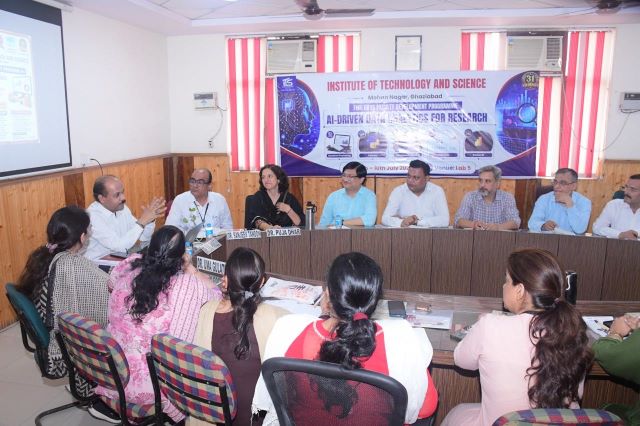
The Institute of Technology and Science (ITS), Mohan Nagar, Ghaziabad successfully organized a Five-Day Faculty Development Programme (FDP) on AI-Driven Data Analytics for Research: Research Publishing, Python, Machine Learning, Tableau, and Power BI from 6th July to 10th July 2026. The programme aimed to strengthen the research and analytical competencies of faculty members by providing practical exposure to Artificial Intelligence (AI), Python programming, Machine Learning, Data Visualization, Tableau, Power BI, and Research Paper Development.
The programme commenced with an Inaugural Session led by Dr. Sunil Kumar Pandey, Director, ITS, who emphasized the growing significance of Artificial Intelligence in higher education, research, and industry. The inaugural sessions focused on AI-powered research tools, literature review, academic writing, reference management, and publication ethics, enabling participants to understand the ethical and effective use of AI in research.
On the second day, Prof. Abhay K. Ray introduced participants to Python programming for data analytics. The sessions covered Python fundamentals, Jupyter Notebook, NumPy, Pandas, Exploratory Data Analysis (EDA), and data cleaning techniques. The afternoon sessions focused on Machine Learning concepts, including supervised and unsupervised learning, regression, decision trees, support vector machines (SVM), K-nearest neighbours (KNN), and clustering techniques. Through extensive hands-on exercises, participants learned how Python and machine learning can be effectively applied in academic research and data-driven decision-making.
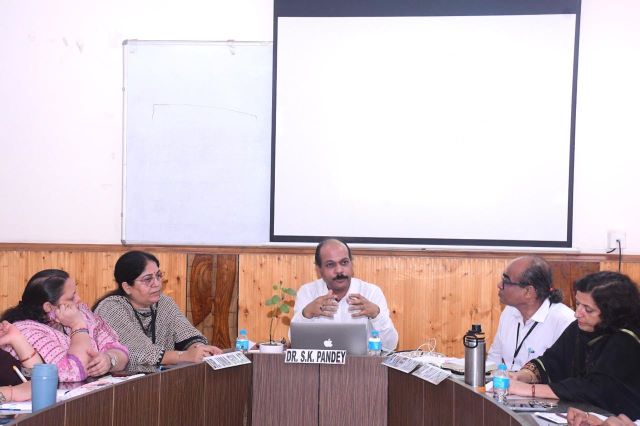
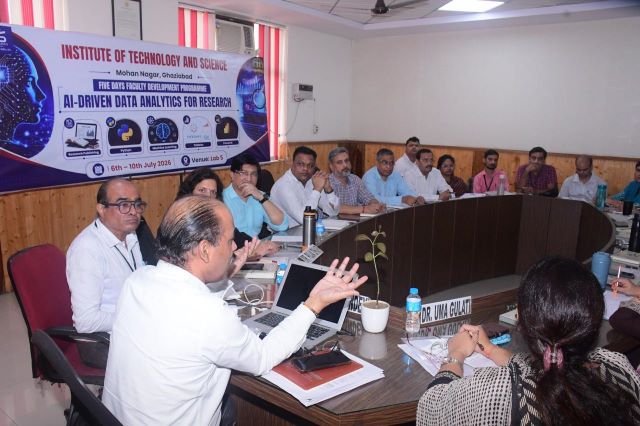
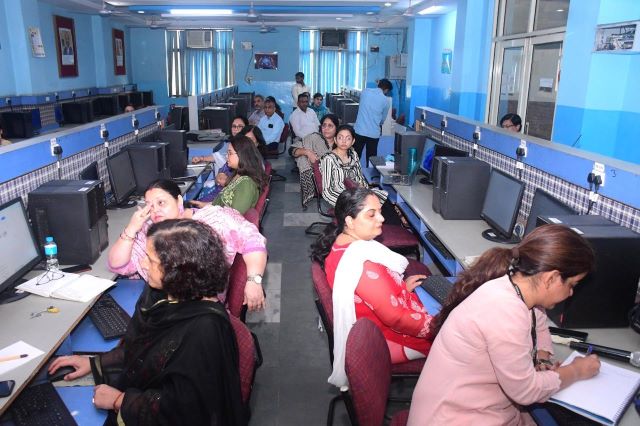
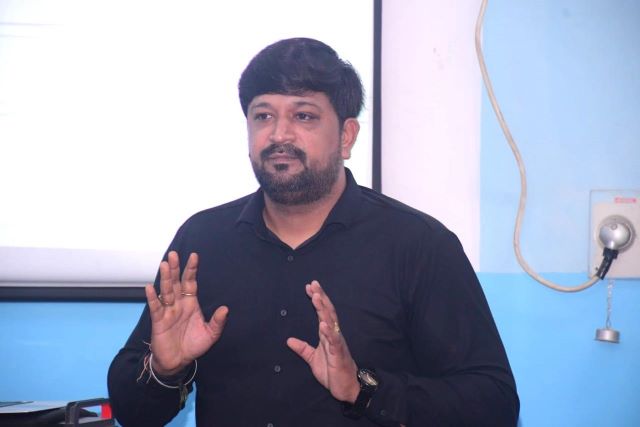
The third day, conducted by Mr. Pratik Kumar, focused on Python-based data visualization and Tableau. Participants gained practical experience in creating publication-quality charts and graphs using Matplotlib and performing correlation analysis. The afternoon sessions introduced Tableau, where participants developed interactive dashboards, applied filters and parameters, and explored data storytelling techniques to communicate research findings more effectively.
The fourth day was devoted to Microsoft Power BI, where participants learned data importing, Power Query, data transformation, data modelling, DAX functions, and relationship management. Interactive sessions on dashboard creation, KPI development, drill-down analysis, and report publishing demonstrated how Business Intelligence tools can support research, institutional reporting, and managerial decision-making through dynamic visualizations.
The final day focused on Research Paper Development, covering the interpretation of analytical results, discussion writing, preparation of publication-quality tables and figures, manuscript structuring, publication ethics, journal selection, and best practices for academic publishing. Participants gained valuable insights into transforming research findings into high-quality manuscripts suitable for publication in reputed journals.
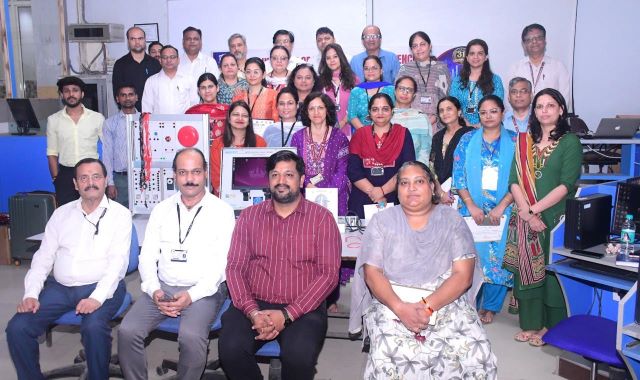
The programme concluded with a Valedictory Session graced by Dr. Sunil Kumar Pandey, Director, Dr. Prateek Gupta, Dr. Sanjeev Tandon, and Dr. Puja Dhar. The dignitaries appreciated the active participation of faculty members and acknowledged the valuable contributions of the resource persons. Certificates were distributed to all participants, followed by participant feedback and a group photograph.
Overall, the Faculty Development Programme successfully achieved its objective of enhancing participants' competencies in AI-driven research, Python programming, machine learning, business intelligence, and research publication. The highly interactive sessions, practical demonstrations, and hands-on learning experience significantly enriched the participants' research capabilities and reaffirmed the Institute's commitment to promoting academic excellence, innovation, and continuous professional development